FROM THE BENCH
The Role of Advanced Technology in Optimizing All-on-X Treatment Outcomes
Explore how advanced technology improves All-on-X treatment outcomes, enhancing diagnostics, precision, and patient satisfaction at Dani Dental Laboratory.
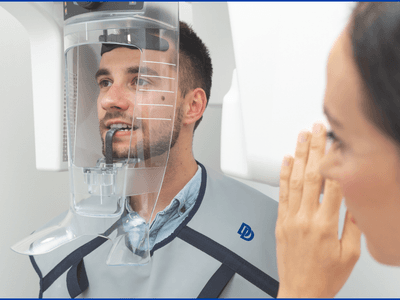
The All-on-X, famously known as All-On-4, treatment concept has redefined full-arch rehabilitation, providing edentulous and soon-to-be edentulous patients with a predictable and efficient solution for restoring function and aesthetics. At the core of this success is the integration of cutting-edge digital technology, which has transformed treatment planning, surgical execution, and prosthetic fabrication. For dentists considering incorporating All-on-X into their practice, understanding the technological advancements driving success is crucial.
The Technological Framework of All-on-X
State-of-the-art technology plays a pivotal role in achieving precise implant placement, improving surgical efficiency, and enhancing patient outcomes. The following are the essential digital tools that optimize the All-on-X workflow:
1. 3D Imaging and Cone-Beam Computed Tomography (CBCT)
Enhanced Diagnostic Capabilities
CBCT imaging provides high-resolution, three-dimensional visualization of the maxillofacial structures. This allows for detailed assessment of:
- Bone volume, density, and quality to determine implant viability
- Anatomic landmarks, including the maxillary sinuses and inferior alveolar nerve
- Pathologies and potential complications that may impact treatment planning
Improved Surgical Accuracy
Utilizing CBCT scans, clinicians can precisely plan implant positioning, angulation, and depth, reducing the risk of complications such as nerve impingement or sinus perforation.
2. Digital Treatment Planning and CAD/CAM Integration
Virtual Implant Placement and Surgical Guides
Treatment planning software, such as Blue Sky Plan, NobelClinician, and coDiagnostiX, allows for:
- Virtual placement of implants in relation to anatomical structures and prosthetic considerations
- Simulation of occlusion and biomechanics for long-term stability
- Fabrication of CAD/CAM-generated surgical guides for precise, flapless surgery
Prosthetically Driven Treatment Design
By leveraging digital workflows, prosthetic design can precede surgery, ensuring that implant placement is dictated by the final prosthetic outcome rather than anatomical limitations alone.
3. Dynamic Navigation and Robotic-Assisted Surgery
Real-Time Intraoperative Adjustments
Dynamic navigation systems, such as X-Guide and Navident, provide real-time feedback during implant placement, offering:
- Enhanced accuracy compared to freehand techniques
- Intraoperative adaptability for angulation corrections and depth adjustments
- Minimized surgical invasiveness, promoting faster healing
Robotic-assisted systems further refine implant placement by offering haptic guidance, improving the precision and predictability of complex All-on-X cases.
4. Intraoral Scanners and Digital Impression Technology
Eliminating Conventional Impression Errors
Traditional impression materials can introduce inaccuracies due to distortions. Intraoral scanners provide:
- Highly accurate digital impressions for immediate prosthetic fabrication
- Enhanced patient comfort with non-invasive scanning techniques
- Seamless integration with CAD/CAM workflows for same-day restorations
5. 3D Printing and Milling Technology for Prosthetics
Efficient and Predictable Prosthetic Fabrication
Milled PMMA and 3D-printed temporary restorations allow for:
- Immediate load solutions with highly precise fit and occlusion
- Rapid chairside modifications for aesthetic and functional adjustments
- Customization of final zirconia or hybrid restorations based on digitally designed prototypes
Clinical Advantages of a Digitally Driven All-on-X Workflow
Incorporating advanced technology into All-on-X treatment protocols enhances both clinical efficiency and patient outcomes:
- Reduced Chair Time: Digital workflows streamline procedures, minimizing surgical and prosthetic appointments.
- Minimized Surgical Complications: Guided and navigated placement reduces errors associated with freehand techniques.
- Superior Aesthetics and Function: Digital prosthetic design ensures a highly customized, patient-specific restoration.
- Long-Term Success: Precise implant positioning optimizes load distribution, reducing peri-implant complications and enhancing longevity.
Conclusion
For dentists integrating All-on-X (fixed denture) into their practice, embracing digital dentistry is no longer optional - it is essential for achieving predictable and successful outcomes. CBCT imaging, CAD/CAM workflows, dynamic navigation, and advanced prosthetic fabrication techniques are redefining full-arch implant rehabilitation. As technology continues to advance, the future of All-on-X treatment will become even more efficient, precise, and patient-centric, solidifying its role as the gold standard for full-arch restorations.
GO DEEPER
The full procedure, start to finish
This post is one decision inside a larger workflow. Read the procedure pillar for the complete picture: indications, materials, turnaround, and how we build it.
KEEP READING
More from the bench
REQUEST A DOCTOR KIT
Want this on your own case?
Request a Doctor Kit and put a real case in our hands. We mail RX pads, a shade guide, and pre-paid shipping for your first three cases. No call, no contract.